Cost of Living in Cyprus Breakdown
Cyprus has been steadily gaining popularity as a prime destination for relocation and retirement, largely because of its appealing Mediterranean climate, beautiful landscapes, and relatively affordable living standards. For those curious about moving or investing in the island, understanding the how to get Cyprus residency process is vital, but equally important is a clear picture of the cost of living Cyprus offers. This article dives into the specifics of living expenses Cyprus residents face, offering a detailed look at Cyprus living costs and breaking down daily expenses Cyprus inhabitants and newcomers encounter.
Overview of Cyprus Cost Breakdown
When breaking down the cost of living in Cyprus, the analysis typically revolves around housing, utilities, food, transportation, healthcare, and miscellaneous personal expenses. Cyprus presents a unique blend of moderately priced essentials balanced by some relatively higher costs in niche areas such as imported goods or international education.
Daily expenses Cyprus residents handle vary depending on whether you live in bustling urban centers like Nicosia or Limassol, or quieter rural areas. It helps to frame the Cyprus cost breakdown within these geographical disparities, alongside personal lifestyle preferences.
Cyprus living costs vary widely by location, but overall, it offers a balanced cost-benefit ratio compared to many Western European countries.
Housing Costs and Accommodation in Cyprus
Housing tends to be the largest single expense for most households in Cyprus. Rentals and property prices have seen steady increases, especially in popular expat hotspots along the coast. However, compared to other Mediterranean countries, housing remains relatively accessible.
Renting a one-bedroom apartment in a city center typically ranges from 600 to 850 euros per month, whereas the same type of apartment outside central urban areas might cost 400 to 600 euros. For families or those needing more space, three-bedroom apartments in city suburbs run between 900 and 1300 euros monthly.
If buying property is part of your plan, prices vary greatly depending on the region. Coastal areas like Paphos and Limassol have average property prices ranging from 1,500 to 2,500 euros per square meter. Inland locations, further from tourist spots, offer lower rates.
Choosing between renting and buying hinges on personal plans and long-term residency goals, with rental markets reflecting higher demand in main urban hubs.
Utilities and Household Services
Utilities in Cyprus are generally affordable but can fluctuate widely with seasonal use, especially electricity because of air conditioning needs during hot summers. The average monthly cost for electricity, water, and gas combined tends to be between 100 and 150 euros for an average-sized apartment.
Internet access is quite reliable and usually costs from 25 to 40 euros monthly for a high-speed connection. Mobile phone service plans are competitively priced, with a variety of prepaid and contract options available.
Food and Grocery Expenses in Cyprus
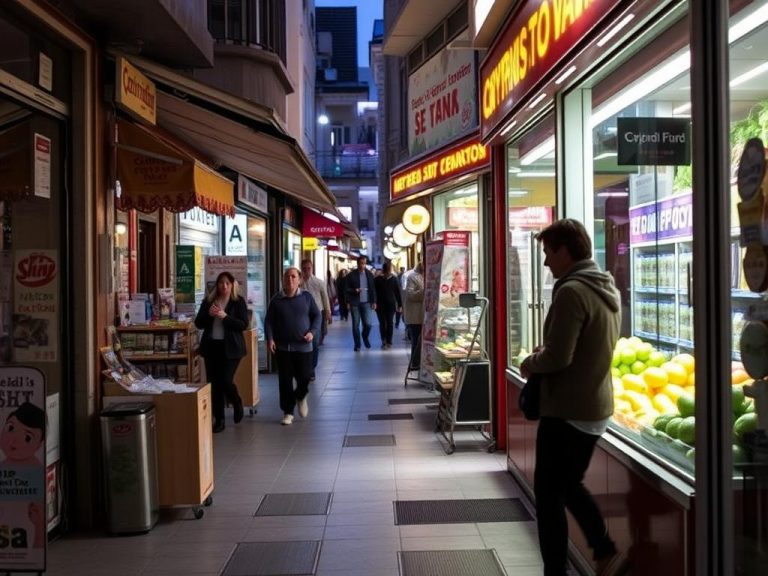
Food costs in Cyprus reflect a mixture of local produce and imported items. Local fruits, vegetables, grains, and seafood are fairly inexpensive, while imported goods or specialty items tend to carry a premium.
Shopping at local markets or souks for fresh produce is not only culturally rich but also budget-friendly. An average monthly grocery bill for a single person might hover around 200 to 300 euros, depending on diet and preferences.
Dining out varies significantly—from reasonably priced tavernas where a meal can cost 8 to 12 euros, to mid-range restaurants charging around 20 to 35 euros per person for a full course meal. Upscale venues will naturally push those figures higher.
Typical Grocery Prices in Euros
| Item | Price Range |
|---|---|
| Milk (1 litre) | 1.00 – 1.30 |
| Loaf of Bread | 0.90 – 1.50 |
| Eggs (12 pcs) | 2.00 – 2.50 |
| Chicken (1kg) | 5.00 – 7.50 |
| Tomatoes (1kg) | 1.20 – 2.00 |
| Coffee (regular, 250g) | 3.00 – 5.00 |
Balancing home-cooked meals with occasional dining out can keep food expenses manageable while giving you a taste of Cyprus’s rich culinary culture.
Transportation Costs
Public transport in Cyprus is somewhat limited compared to larger European countries, but buses connect major towns and cities reasonably well. A monthly bus pass costs around 40 to 50 euros, suitable for commuters or those without a car.
Owning a car is common, particularly outside major urban areas. Fuel prices are moderate within Europe, averaging roughly 1.40 euros per litre of petrol. Maintenance and insurance costs are competitive but should be factored in.
Taxis and ride-sharing services exist but are less prevalent than in larger cities worldwide. Still, for short rides or airport transfers, they remain a convenient choice.
Healthcare and Insurance
Cyprus has a relatively good healthcare system with both public and private options. Public healthcare costs are low or free for residents under certain conditions. Many expats opt for private health insurance to access faster services and a wider range of specialists.
Private health insurance premiums vary greatly with age, coverage, and provider type but typically start around 50 to 100 euros per month for basic coverage.
Pharmaceuticals and prescription medicines may incur out-of-pocket expenses unless covered by insurance. Routine medical consultations in private clinics are often priced between 50 and 100 euros.
Access to healthcare in Cyprus is reliable, with private insurance adding flexibility and quicker access to services.
Education and Schooling Costs
Families moving to Cyprus often weigh schooling options heavily. Public schools provide free education but follow the national curriculum, which may not suit all expat children.
International and private schools are popular but come with significantly higher fees. Annual tuition can range from 3,000 to over 15,000 euros, depending on the institution and grade level.
Entertainment, Leisure, and Miscellaneous Expenses
Cyprus offers a rich range of leisure activities—beaches, hiking trails, bars, and cultural festivals. Entertainment expenses are generally moderate. A cinema ticket usually costs around 8 to 10 euros, gym memberships typically run from 30 to 60 euros monthly.
Shopping choices vary widely, ranging from boutique stores to larger malls. Imported fashion brands tend to be pricier, so local options can be more budget-friendly.
How to Budget for a Comfortable Life in Cyprus
Combining all factors, a single person living modestly in Cyprus can expect monthly living expenses Cyprus to total about 900 to 1,200 euros, excluding rent. Couples or small families might need between 2,000 and 3,000 euros, depending on housing and lifestyle choices.
Proper planning requires detailed research tailored to your own needs. For instance, expats targeting permanent residence should consult resources about how to get Cyprus residency to align financial and legal plans.
Understanding your personal Cyprus cost breakdown is key to maximizing your quality of life while avoiding unexpected financial stress.
Final Thoughts on Embracing Life in Cyprus
Cyprus presents a compelling package for those looking to relocate. The island’s cost of living Cyprus offers reasonable affordability without compromising on the quality of life and safety that many seek. Whether you’re eyeing the azure shores or the quieter inland villages, daily expenses Cyprus demands can be thoughtfully managed with proper budgeting and lifestyle choices.
When merged with streamlined residency procedures and a welcoming culture, the cost-benefit balance positions Cyprus as an attractive place to settle. It’s an investment, not just financially but in a lifestyle that harmonizes modern convenience with Mediterranean charm.
Keep in mind that personal circumstances, from family size to professional income, will shape your specific Cyprus living costs. Detailed planning and leveraging reliable resources, including official guidelines on how to get Cyprus residency, remain essential for a smooth transition to island life.
Frequently Asked Questions About Cost of Living in Cyprus
- What is the average monthly cost of living in Cyprus for a single person?
On average, excluding rent, a single person may spend around 900 to 1,200 euros monthly on essentials including food, utilities, transport, and leisure. - How expensive is renting an apartment in Cyprus?
Renting a one-bedroom apartment in the city center typically costs between 600 and 850 euros per month, with prices lower outside urban centers. - Are healthcare services in Cyprus affordable for expatriates?
Public healthcare offers low-cost or free services for residents, but many expats choose private insurance, which can start from about 50 euros per month. - How much should I budget for food and groceries in Cyprus?
Monthly grocery expenses for one person usually fall between 200 and 300 euros, depending on diet and shopping habits. - What transportation options exist for residents without a car?
Buses connect major cities with monthly passes costing up to 50 euros, but public transport remains limited—owning a car is common for convenience. - Is it necessary to buy property to obtain residency in Cyprus?
Buying property can facilitate residency applications but is not strictly necessary; options vary based on visa type and personal situation. - How high are international school fees in Cyprus?
Annual tuition for international schools ranges between 3,000 to over 15,000 euros, depending on the school and grade level.