Cyprus Culture and Lifestyle Guide
When considering a move or investment in the Mediterranean, exploring property for sale in Limassol Cyprus is often the first step. Limassol, known for its vibrant coastal life, blends tradition and modernity, capturing the essence of Cyprus culture lifestyle. This guide takes you beyond real estate, diving into the fabric of Cypriotic lifestyle, cultural adaptation Cyprus requires, and the traditions that continue to shape everyday living.
Understanding the Cypriotic Lifestyle: More Than Just Sun and Sea
Living in Cyprus is an experience steeped in history, family values, and deep-rooted social customs. Unlike many tourist destinations that showcase a staged culture, Cyprus offers an authentic lifestyle where community bonds run strong. Neighbours greet each other warmly, and public life often spills into open squares and cafes.
At its core, the Cypriotic lifestyle is family-centric. Families extend beyond the nuclear model, often including grandparents, aunts, and cousins in regular gatherings that mark celebrations or simple Sunday meals. Food plays a central role here—olive oil, fresh vegetables, and seafood dominate the table, representing both heritage and geography.
Work-life balance tends to lean toward a slower, more relaxed rhythm. Business hours in smaller towns like those surrounding Limassol may pause for midday breaks, known as “mesimeri,” reflecting how Cypriots value rest and social interaction. This contrasts with urban centres worldwide where rush and efficiency reign.
The Cypriotic lifestyle integrates tradition with modern needs, offering a pace that nurtures community and quality of life.
Cyprus Traditions: Living History in Daily Life
Cyprus traditions reach far back, blending influences from Greek, Turkish, Venetian, and British cultures due to its unique history. These influences are visible in festivals, religious ceremonies, and everyday customs.
One of the most powerful ways tradition manifests is through religious celebrations. Easter in Cyprus is a major event with its own distinct observances, such as the midnight church service, candle-lighting processions, and the cracking of red-dyed eggs. These rituals are more than symbolic—they act as anchors for the island’s shared identity.
Folk dances and music offer another window into Cypriot traditions. Groups often perform at local festivals wearing traditional costumes that tell stories of different regions. Music instruments like the laouto and violin shape the soundscape, accompanied by vibrant dance steps that have survived centuries.
Traditional crafts also persist. Pottery, lace-making, and the carving of olive wood reflect not only artistic endeavors but a connection to sustainable, locally sourced materials that have supported Cypriot communities for generations.
What to Expect When Living in Cyprus: A Practical Orientation
Moving to Cyprus requires understanding certain practicalities integral to the island’s culture and pace of life. The weather is one obvious advantage—mild winters and long, sunny summers—but life on the island includes nuances worth noting.
For newcomers, cultural adaptation Cyprus involves embracing the concept of “filotimo”—a term difficult to translate, often related to honor, dignity, and generosity. This quality shapes social interactions and expectations. Cypriots often place great importance on hospitality, extending help or kindness to strangers and neighbours alike.
Infrastructure varies across the island. Larger cities like Limassol provide modern amenities, international schools, and health services. Rural areas may require adjustment but reward with tranquility and close ties to nature.
Language is another consideration. Greek is the dominant language, with Turkish spoken in the north. English enjoys widespread usage, especially in business and tourist areas, easing communication for expatriates.
Transportation mainly relies on private vehicles; public transport exists but is limited compared to larger European countries. Understanding driving norms and preparing for less frequent bus schedules is advisable.
Property for Sale in Limassol Cyprus: The Heartbeat of Coastal Life
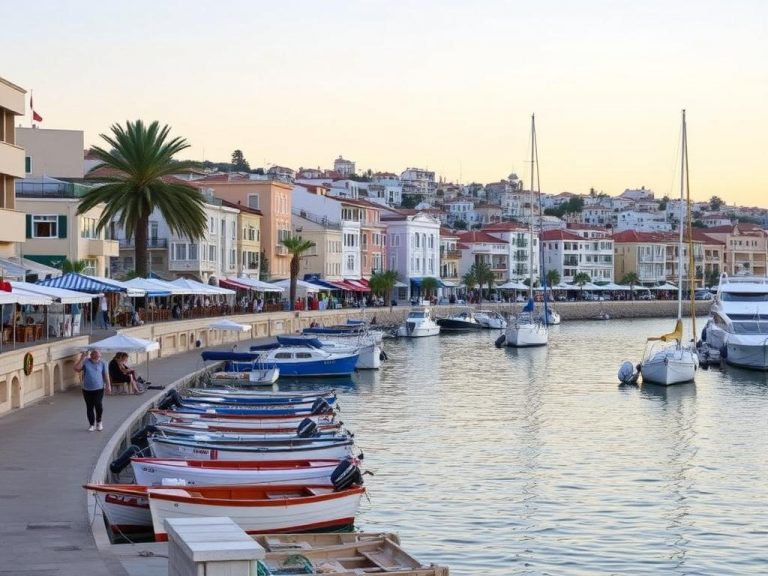
Limassol stands out not only as a cultural hub but also as a prime real estate destination. The market for property for sale in Limassol Cyprus offers a diverse range—from luxury sea-facing apartments to cozy homes nestled in historic neighbourhoods.
The city’s appeal extends beyond property prices; it embraces a lifestyle enriched by proximity to the sea, vibrant nightlife, international dining, and festivals like the renowned Limassol Wine Festival. Residents here enjoy a dynamic mix of Cypriot tradition and contemporary living.
Investment in Limassol real estate also benefits from the city’s growing infrastructure: marinas, modern shopping complexes, and business centres contribute to an upward trajectory in local economy and living standards.
Limassol’s property market reflects the blend of tradition and modernity that defines Cyprus culture lifestyle.
How Cyprus Culture and Lifestyle Influence Daily Life
Everyday life in Cyprus reflects centuries of culture layered with the necessities of the 21st century. For example, socializing often takes place outdoors, with cafes and tavernas serving as informal meeting points where locals sip coffee or enjoy mezes with friends.
Seasonality also influences lifestyle. Summer months encourage beach outings, late-night walks, and open-air cinemas, while winters invite quieter rhythms with more indoor gatherings and local market visits.
Education and work reflect a balance between global trends and local values. Public schools teach traditional subjects alongside European languages and technology, preparing the youth for opportunities at home and abroad.
Social Etiquette and Manners
Understanding social etiquette helps with cultural adaptation Cyprus demands. Greeting customs involve handshakes or cheek kisses among friends. Punctuality is somewhat flexible, especially in social settings, but business meetings tend to be more formal.
Respecting local customs, such as dressing modestly when visiting religious sites or observing fasting periods during certain religious holidays, is appreciated and often expected. This respect fosters mutual understanding and smoother integration.
Cyprus Cultural Events and Festivals: A Calendar Worth Watching
The annual calendar in Cyprus is rich with events blending religious, cultural, and civic pride. Festivals provide insight into the cyclical nature of Cypriot life and help newcomers grasp the island’s rhythms.
Beyond Easter, other notable events include the Carnival season (Apokries), the Revival Day commemorations, and the Chrysanthemum Festival in Pitsilia that celebrates local flora and traditions.
These gatherings are not only about celebration but also communal participation, featuring traditional music, dance, and cuisine.
Festivals Overview in Table Format
| Festival | When | Main Features |
|---|---|---|
| Easter | March/April | Religious ceremonies, fireworks, red egg cracking |
| Limassol Wine Festival | September | Wine tasting, folk music, local food |
| Apokries (Carnival) | February/March | Costumes, parades, dancing |
| Chrysanthemum Festival | October | Floral displays, handicrafts, traditional performances |
Participating in festivals offers invaluable immersion into Cyprus traditions and communal spirit.
Adapting to Life in Cyprus: Tips for New Residents
For anyone fresh to the island, cultural adaptation Cyprus asks for can be smoothened with a few practical steps. Learning basic phrases in Greek helps immensely and shows respect. Engaging with neighbours or joining community groups can accelerate a sense of belonging.
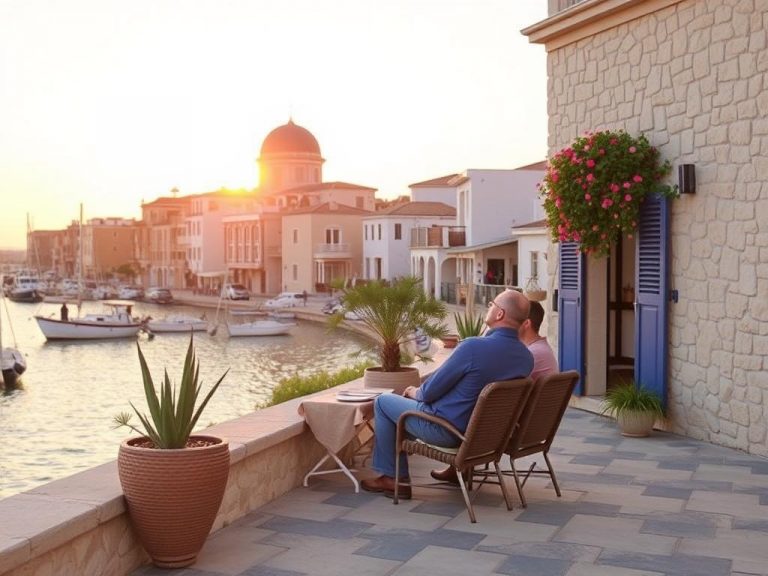
Date nights in tavernas, visits to farmers’ markets, and attending local performances bring deeper understanding and unexpected friendships. Patience with procedural matters and a willingness to learn local customs go a long way in successful integration.
Bringing It All Together: Embracing Cyprus Fully
Cyprus offers a richness that is not immediately obvious to the casual observer. Its culture and lifestyle intertwine, feeding into each other and creating a distinctive living environment. Whether you are searching for property for sale in Limassol Cyprus, dreaming of the sun-drenched coastlines, or craving authentic cultural exchange, this island challenges and rewards equally.
The balance between historical legacy and modern opportunities defines not just what living in Cyprus guidebooks recommend, but what day-to-day life feels like. It invites a slower pace without sacrificing quality. It demands openness while rewarding with belonging. Most of all, it promises a life that resonates with tradition and hope in equally strong measures.
Finding Your Own Rhythm in Cyprus
Every newcomer crafts a unique experience. Some adopt the late-night coffee culture, others find solace in mountain villages or beachside serenity. No matter the choice, understanding Cyprus culture lifestyle and its traditions is a doorway to deeper enjoyment and genuine connection. The island’s warm heart beats through its people and their stories—stories you too become part of when you settle here.
The true essence of living in Cyprus lies in finding a personal rhythm within its collective heartbeat.
Frequently Asked Questions
- What should I know before buying property in Limassol, Cyprus?
It’s important to research local regulations, verify property titles, and consider proximity to amenities. Working with a local real estate agent is highly recommended for navigating the process smoothly. - How challenging is cultural adaptation for expatriates in Cyprus?
Adaptation varies individually, but understanding key local customs and social etiquette, including language basics and community involvement, eases the transition significantly. - What aspects of Cyprus culture lifestyle are most noticeable to newcomers?
The emphasis on family ties, slower pace of life, social hospitality, and outdoor living are often most apparent to those new to the island. - Are there language barriers for foreigners living in Cyprus?
While Greek is predominant, English is widely spoken in urban and tourist areas, reducing language barriers for many expatriates. - What local traditions should one respect when living in Cyprus?
Observing religious holidays, dressing modestly for sacred sites, and respecting social norms around hospitality and greetings are important for harmonious living. - How are the healthcare and educational facilities in Cyprus?
Cyprus offers good quality healthcare and education, especially in major cities like Limassol, with international schools available for expatriate families. - What is the best way to integrate into the local community in Cyprus?
Engaging in local festivals, learning the language, and participating in community activities are effective ways to build connections.